
While describing the tonal characteristics of an amp or pedal, people will often reference classic amp sounds. No doubt you’ve heard terms like “Fender cleans”, or “cranked Marshall” to describe how something sounds.
That’s not very helpful if you have no idea what they’re referring to. Hopefully we can fix that by having a look at the sort of sounds different classic amps are known for and why they sound the way they do.
Fender
In the early days overdrive was something to be avoided, so Fender aimed to make an amp that could get loud without breaking up. In the power amp they typically have a pair of 6L6 tubes, providing bucket loads of clean headroom.
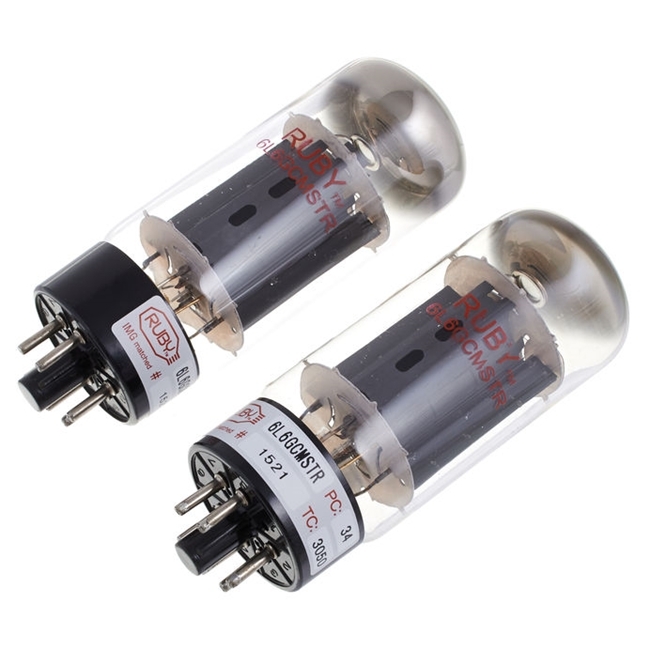
6L6 Power Tubes
At low to mid volume levels they tend to have a scooped mid range. This emphasises the high and low end, making those clean tones sound big and smooth.
As you turn them up, more mid range starts to roll in. If you crank them all the way up, magic happens: When an amp that was designed not to break up is pushed so hard that it does, you get a glorious, massive sounding overdrive.
Tweed vs Black Panel
The sound outlined above probably best describes what is known as the black panel tone, or “blackface” to those for whom that phrase doesn’t primarily conjure up mental images of black and white minstrels. I’m not being “woke”, do an image search on “blackface” and let me know in the comments how many Fender amps you see.
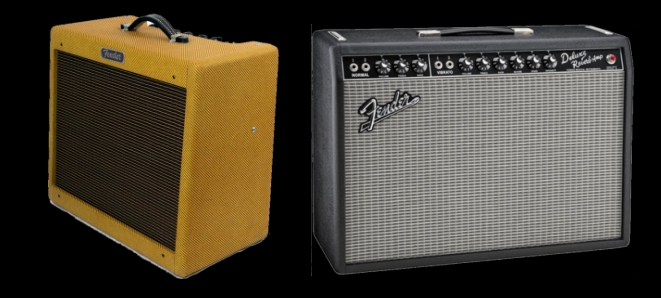
We’re referring to the black control panel on the more modern Fender amps. Prior to this, Fender had their tweed range. These amps were far less powerful, and when turned up to stage levels would often start to overdrive. The tweed sound is associated with early gritty blues guitar sounds.
Marshall
Marshall’s first amps were an attempt to copy Fender’s offerings. Being made on a different continent meant that different components had to be utilised, and to accommodate those different parts, design changes were made.
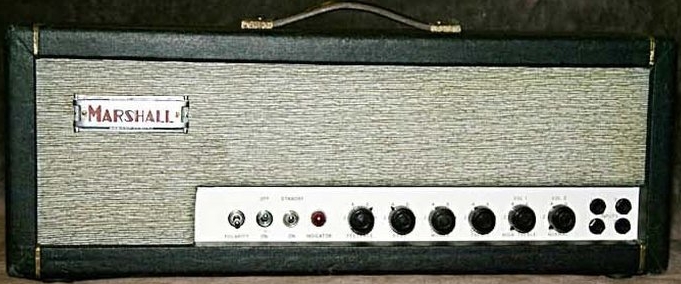
Using EL34 tubes in the power amp meant they could be pushed into overdrive sooner. They also typically had much more mid range than a Fender.
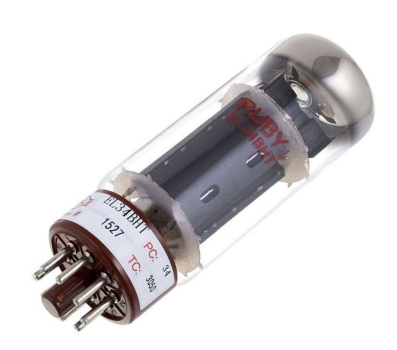
EL34 Power Tube
They became notorious for their overdrive and mid-focussed tone, which made them an obvious choice for early rock guitar pioneers.
Hiwatt
When most people think of Hiwatt amplifiers, they think of ridiculous volume levels. These things are loud. They have the endless clean headroom of a Fender with an EQ curve somewhere closer to a Marshall.

Vox
These amps are best known for their top end response. You can hear this in the Beatles’ chimey, jangley clean tones, and Brian May’s treble focussed overdrive sounds in Queen. In the power amp they utilise EL84 tubes, which are a bit like EL34s but with less headroom. This means they’re often quieter and quicker to break up than a Marshall.

Vox AC30
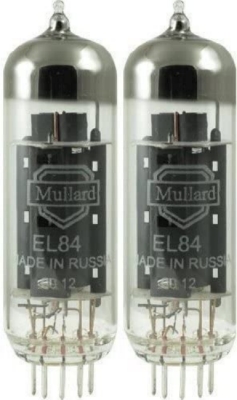
EL84 Power Tubes
Orange

Think of Orange amplifiers as being like a Marshall only more so. They have more aggressive mid range and more gain on tap, allowing for heavy overdrive from the preamp section without having to crank the power amp into break up.
Mesa Boogie
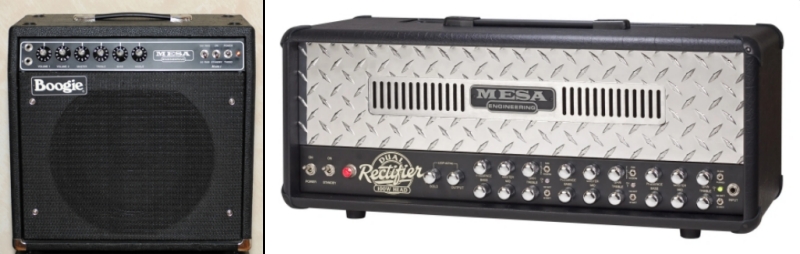
The first ever Mesa amps were actually modded and re-badged Fender Princetons. They have a tonal response somewhere in the ball park of a Fender, but usually with many more features. The most common of those features would be a high gain channel.
The distortion sounds from the Dual Rectifier were pretty much the heavy metal standard from the early 90s to the late 00s.
“American Sound” vs “British Sound”
The big names on the American market were Fender and Mesa. Their sounds are typically high headroom and low mid range, with super sweet clean tones. Most people think of Vox and Marshall when they refer to the “British” sound, implying a more mid range to high end focus and earlier power amp break up.
The Brown Sound
This has nothing to do with the “brown note”, or the extreme low frequencies rumoured to cause fecal incontinence. It does however refer to a high gain guitar tone that has the potential to make rock guitarists shit themselves with excitement when they hear it.
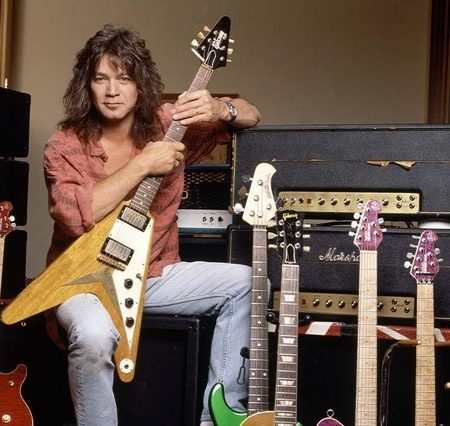
Edward Van Halen used this term to describe his tone. In the early days, that tone was achieved by way of a Marshall Super Lead with everything turned all the way up. Where most rock guitarists were aiming to cut through the mix with plenty of mids and treble but little bottom end, Van Halen wanted a warmer sound that retained bottom end. I should note that over the years he used less and less mid range in his tone.
In general though, if someone refers to the “Brown Sound”, they’re probably talking about a high gain sound with a balanced EQ and the volume as loud as you’re prepared to push it.
Disclaimer
What I’ve described above are all gross generalisations. In this context though (making sense of buzz words like “British tone” or “Fender cleans”) generalisations can be helpful. It’s important to note that you can get two amps of the same model and have them sound different to each other. My goal here was not so much to help you choose which amp to buy, but to help you decipher marketing hype with music gear in general.
 Tone Quest